Gardeners serving Ratcliff Highway flats in Shadwell
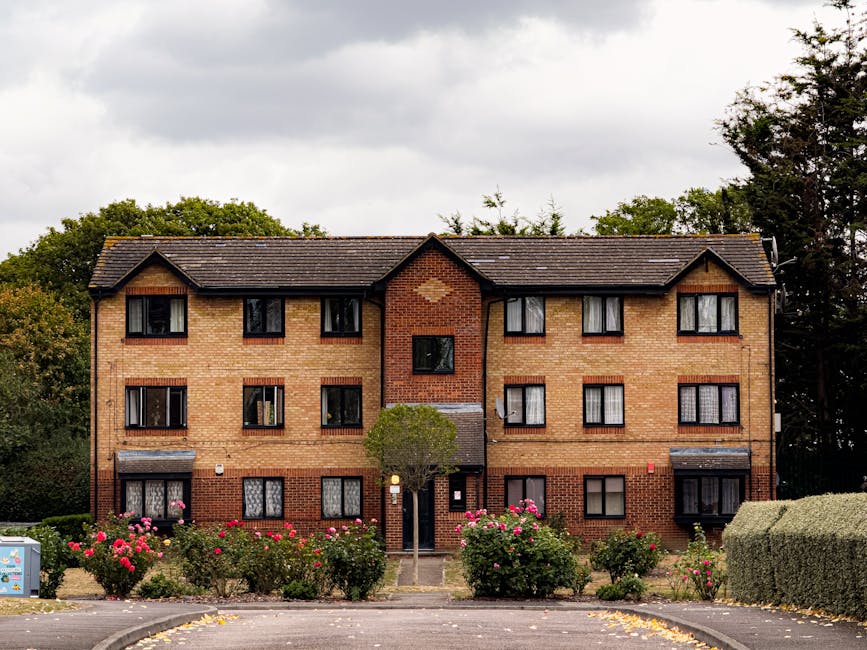
If you live in a Ratcliff Highway flat in Shadwell, you already know the gardening brief is a little different from a house with a front lawn and a big back garden. Space is tighter, access can be awkward, neighbours are close by, and one overgrown planter can make the whole entrance feel cluttered. That is exactly where Gardeners serving Ratcliff Highway flats in Shadwell come in. The right help can keep communal edges tidy, balconies manageable, and small outdoor areas looking cared for rather than crowded.
This guide walks through what that service usually includes, why it matters in a flat-heavy local setting, how it works in practice, and what to look for before you book. We will also cover maintenance routines, safety considerations, realistic expectations, and a few common mistakes that are easy to make when you are dealing with compact urban planting. Truth be told, a small space can create bigger headaches than a large one.
To help you compare options quickly, the article is broken into clear sections below.
Why Gardeners serving Ratcliff Highway flats in Shadwell Matters
Ratcliff Highway and the wider Shadwell area have a distinct urban character: dense buildings, shared access points, pockets of private outdoor space, and a lot of foot traffic. In that setting, garden care is not just about appearance. It affects safety, usability, neighbour relations, and even how welcoming a building feels at ground level. A tidy communal entrance can make a huge difference on a grey Monday morning. You notice it straight away.
Flat-based gardening often involves more than planting and pruning. It can include keeping shared courtyards neat, managing pots and raised beds, cutting back growth that blocks light, maintaining small lawns or artificial grass areas, and making sure green spaces do not drift into a neglected state. In practice, that means the job needs organisation, tidy workmanship, and an understanding of how to work around access restrictions.
It also matters because compact spaces magnify small problems. A bit of hedge spillover, a patch of moss, or a bin-area planter left untended can quickly make the space feel unkempt. In a building with multiple residents, those little issues become visible to everyone. That is why local gardeners who understand flat living are so useful: they can keep things controlled without overcomplicating the job.
If you want to see the wider range of support available, the services overview is a useful starting point for understanding the types of work that may be relevant in a flat setting.
How Gardeners serving Ratcliff Highway flats in Shadwell Works
Most flat-friendly gardening work begins with a short assessment. The gardener looks at access, the size of the space, what needs doing regularly, and what can be done as a one-off. That sounds simple, but it is the difference between a smooth visit and a frustrating one. For example, a balcony with a few large containers needs a very different approach from a communal strip of planting beside an entrance path.
A good service typically follows a fairly practical rhythm:
- Initial discussion - You explain what is bothering you: overgrowth, litter, tired planters, patchy lawn areas, or a need for regular upkeep.
- Site review - The gardener checks access, plant condition, drainage, and any shared-use concerns.
- Scope of work - Tasks are agreed clearly. This may include mowing, hedge trimming, clearance, planting, or more general maintenance.
- Timing plan - Flat blocks often need work scheduled around residents, deliveries, and quieter hours.
- Completion and tidy-down - Waste is removed, surfaces are swept, and the area is left usable.
In a multi-occupancy building, communication matters just as much as the gardening itself. If a gardener is trimming shrubs beside a walkway or clearing old growth from a shared corner, residents need to know what is happening. That avoids surprise, complaints, and those awkward "who booked this?" conversations in the lift.
For recurring work, garden maintenance is usually the most efficient option. It keeps smaller spaces on a steady rhythm, which is often easier and cheaper to manage than allowing things to become overgrown and then paying for a heavier tidy-up later.
Key Benefits and Practical Advantages
The obvious benefit is a better-looking outdoor space, but the real value goes further than that. In flat environments, consistent garden care can help with everyday comfort, building presentation, and the way people use the space.
- Cleaner entrances and shared spaces - Neat planting and trimmed edges make a building feel looked after.
- Better use of small areas - Even a narrow courtyard can feel more useful when it is not cluttered.
- Reduced maintenance stress - Small jobs handled regularly tend to stay small. That is the dream, honestly.
- Safer movement - Overhanging growth, slipping leaf litter, and blocked sightlines can all create nuisance or risk.
- Improved plant health - The right pruning and watering routine can make container and border planting last longer.
- Less conflict in shared buildings - A clear schedule and tidy result help keep residents on the same page.
There is also a practical financial angle. Regular work usually prevents bigger repair-style jobs later, such as replacing dead planting, removing self-seeded growth, or clearing heavy debris after long neglect. To be fair, nobody enjoys paying for avoidable rescue work.
For more intensive tidying, especially after a tenancy change, a long gap in upkeep, or a seasonal reset, garden clearance can be the right choice. It is especially helpful where a small flat garden has quietly turned into a storage zone for old pots, leaf build-up, and forgotten odds and ends.
Who This Is For and When It Makes Sense
This kind of gardening support is useful for a wide range of people, and not just landlords or building managers. In fact, many of the most common requests come from residents who simply want their outdoor area to be manageable again.
It tends to make sense if you are:
- a tenant who wants a balcony, patio, or shared edge kept tidy
- a leaseholder with responsibility for a small private garden or terrace
- a block manager looking after communal planting
- a landlord preparing a flat for viewings or new occupants
- a resident group sharing the care of a courtyard or access-side planting strip
There are also seasonal moments when action makes more sense than waiting. Spring is an obvious one, but so is late summer when growth can become dense, or autumn when leaves start collecting quickly around paths and entry points. If the wind has been having its own idea about where leaves belong, you will know exactly what I mean.
For tidy, regular cutting rather than broader garden work, lawn mowing is a sensible option if your flat property includes a small lawn or shared grass section. It keeps the space looking deliberate rather than patchy.
Step-by-Step Guidance
If you are arranging gardening help for a Ratcliff Highway flat, here is a sensible way to approach it.
- List the problem areas
Write down what needs attention. Be specific: front planters, rear courtyard, balcony pots, edging, hedge growth, moss, or general tidy-up. - Identify access issues
Note gate codes, lift restrictions, restricted parking, bin store access, or times when residents prefer less noise. - Decide between one-off and ongoing support
One-off work suits neglected spaces or changeovers. Ongoing maintenance suits shared areas and active residents who want consistency. - Prioritise safety and tidiness
In flats, the best result is not just neat planting; it is a space that remains clear, walkable, and easy to live with. - Agree the output
Will waste be removed? Will soil be replenished? Will overgrown shrubs be reduced to a set height? Clear expectations matter. - Schedule realistically
A compact urban site may take less time than a large garden, but access delays can add time. Build that in. - Review the finish
Once work is complete, check paths, entrances, and visible points from windows or balconies. That is where you feel the difference first.
A small but useful tip: take photos before any major work. Not because you need to be dramatic about it, just because it helps everyone agree on what changed and why. Simple, but it works.
Expert Tips for Better Results
In our experience, the best flat-garden results come from restraint. Overplanting is one of the easiest mistakes in a compact space. A few well-chosen plants, regularly maintained, will almost always look better than a crowded mix of species competing for light, water, and room.
Here are some practical habits that make life easier:
- Choose plants that suit the light - Many flat gardens and balconies are shaded part of the day. Pick accordingly, otherwise you are setting yourself up for disappointment.
- Use containers with drainage - Waterlogged pots turn into trouble fast, especially in wet London weather.
- Keep a regular cut-back cycle - Small spaces need rhythm, not heroic rescue missions.
- Leave clearance around paths and railings - Growth should frame movement, not interrupt it.
- Think about wind exposure - Higher flats and open courtyards can be surprisingly gusty.
- Refresh compost and topsoil periodically - Container planting drains energy from the soil faster than many people expect.
One more thing: if you are dealing with shrubs or trees near a shared access point, be careful not to treat them as "just greenery." They can affect light, sightlines, and ease of movement. For more substantial woody growth, hedge trimming and, where needed, tree lopping and removal are better handled with a deliberate plan than a rushed cut.
And yes, there is a difference between a tidy prune and a nervous haircut. The plant usually knows.
Common Mistakes to Avoid
Flat owners and managers often make the same handful of mistakes, mostly because the job looks smaller than it really is. Compact does not mean simple.
- Waiting too long - A small maintenance issue becomes a clearance job faster than expected.
- Ignoring shared responsibility - If the area is communal, get clarity on who signs off the work.
- Choosing style over practicality - A beautiful planter arrangement is no good if it blocks access or dies in the first cold snap.
- Overusing water - In container settings, too much water can be just as damaging as too little.
- Skipping waste removal - Cuttings, old compost, and broken pots can make a freshly worked area look unfinished.
- Not checking access beforehand - A ten-minute job becomes awkward if no one can get through the gate.
Another common one is assuming all gardening jobs are interchangeable. They are not. A regular maintenance visit, a one-off clearance, and a design-led improvement project all need different planning. If you want more than upkeep, it helps to discuss landscaping or even broader landscape gardening so that the space is improved in a way that actually suits the property.
Tools, Resources and Recommendations
You do not need a shed full of gear to keep a flat garden in good order, but the right tools make a noticeable difference. The most useful kit depends on the type of space, yet a few basics appear again and again.
| Task | Helpful tools | What to watch for |
|---|---|---|
| General tidying | Gloves, hand fork, secateurs, broom | Check for hidden debris and sharp edges in shared areas |
| Plant maintenance | Watering can, compost, plant feed, trowel | Avoid overfeeding container plants |
| Cutting back growth | Secateurs, loppers, hedge trimmers | Cut cleanly and avoid damaging bird-nesting areas if present |
| Surface care | Brush, suitable weed remover, pressure washing where appropriate | Be careful with delicate paving and shared drainage points |
| Resets and clear-outs | Rubbish sacks, bins, tarps, barrow where access allows | Plan waste handling before the job starts |
For many residents, the smartest recommendation is not buying more tools. It is setting up a realistic routine and using a dependable service where needed. That might mean monthly upkeep, seasonal pruning, or an annual clearance before a new tenancy cycle. When work has to be done around residents and building rules, a service that understands the practicalities is worth a lot more than the cheapest quick fix.
If you are reviewing costs and what is included, pricing and quotes can help you think through the scope before you commit. For a broader view of service standards and what is typically covered, about us gives helpful context on how the service approach is framed.
Law, Compliance, Standards, or Best Practice
Garden work in flats is not usually complicated from a legal point of view, but there are still sensible standards to follow. Noise, access, shared responsibility, waste handling, safety, and neighbour consideration all matter. The exact obligations can vary depending on whether the space is private, communal, or managed by a landlord or residents' group, so it is wise to treat each site individually rather than assuming one rule fits all.
Best practice usually includes:
- clear agreement on who authorises the work
- safe handling of tools and waste
- respect for shared access routes and residents
- tidy completion, with no debris left behind
- careful attention to height-restricted or awkward areas
It is also sensible to ask about public liability cover and general safety processes if work is being carried out in a building with residents, visitors, and shared paths. For more detail on those areas, insurance and safety and health and safety policy are useful pages to review. If waste handling and greener disposal matter to you, recycling and sustainability is also worth a look.
On the customer side, it helps to know how quotes are agreed, how payments are handled, and what happens if plans need to change. Those are not glamorous topics, admittedly, but they are the ones that prevent headaches later. You can also check the practical terms in the terms and conditions and the approach to transactions in payment and security.
Options, Methods, or Comparison Table
If you are unsure whether you need a one-off tidy or ongoing help, this simple comparison may make the decision easier.
| Approach | Best for | Pros | Limits |
|---|---|---|---|
| One-off garden tidy | Overgrown planters, move-in/move-out resets, post-winter refreshes | Fast improvement, clear result, good for neglected spaces | Does not prevent future build-up unless followed by upkeep |
| Regular maintenance | Communal courtyards, recurring entrances, container displays | Keeps standards steady, reduces big interventions, easier budgeting | Requires commitment and a schedule |
| Clearance-focused work | Heavily overgrown or cluttered flat gardens | Creates a fresh starting point, removes stress quickly | May feel more disruptive on the day |
| Design or upgrade work | Spaces that need better structure or usability | Improves appearance and function together | Takes more planning and often a larger budget |
In simple terms: if the space is basically fine but getting tired, maintenance is the answer. If it has been neglected, clearance first. If it works but feels awkward or underused, consider landscaping or a small redesign. That order usually saves time and money.
Case Study or Real-World Example
Here is a realistic example based on a common flat-garden situation. A small block near Ratcliff Highway has a shared entrance strip, two large planter beds, and a narrow path that residents use daily. Over time, the shrubs have started leaning into the walkway, dead leaves have gathered in the corners, and one planter has turned into a bit of a dumping ground for broken pots and old compost bags. Nothing dramatic, but it looks tired. More importantly, it feels messy.
The fix is not complicated, but it does need a thoughtful sequence. First, the space is cleared of waste and any broken material. Then the overgrowth is trimmed back to restore the path line and improve light. The planters are weeded, topped up, and replanted with lower-maintenance varieties suited to the available light. Finally, the surface is swept and the work area checked from the entrance as well as from the windows above. That last view matters. A lot, actually.
Once the initial reset is done, a light maintenance visit every few weeks keeps the area under control. The result is not flashy. It is better than flashy. It is calm, neat, and easy to live with. Residents stop noticing the garden as a problem, which is usually the sign that the work is right.
Practical Checklist
Use this checklist before booking or planning gardening support for a flat in Shadwell:
- Confirm whether the area is private, communal, or shared between residents
- List the exact tasks that need attention
- Check access arrangements, including keys, codes, parking, and timing
- Decide whether you need a one-off job or ongoing maintenance
- Ask what happens to green waste and rubbish
- Check whether any shrubs or trees affect walkways, windows, or light
- Make sure the plan fits resident schedules and noise considerations
- Review safety, insurance, and payment details in advance
- Take before-and-after photos for clarity
- Set a follow-up date so the space does not drift again
Expert summary: In compact London flats, the best garden outcomes come from clear scope, regular upkeep, and a calm approach to the space. Keep it tidy, keep it realistic, and do not let the job get ahead of you.
If you are ready to improve a shared entrance, courtyard, terrace, or balcony area, the easiest next step is to speak with a local team that understands flat access, small-space planting, and practical upkeep. Get a free quote today and see how much you can save.
Conclusion
Garden care for Ratcliff Highway flats is really about making urban space feel usable, neat, and worth spending time in. Whether you are dealing with a narrow shared strip, a compact private terrace, or a balcony that has slowly become a jungle in miniature, the right approach can make the area feel lighter and far less stressful. Small changes add up quickly in places like this.
What matters most is choosing the right level of service for the space you actually have. Not the space you wish you had. If you match the work to the setting, keep the routine sensible, and pay attention to access and safety, the result tends to hold up well. And that is the whole point, really: a garden that fits the way you live.
There is something reassuring about stepping outside and seeing things in order. Not perfect, just cared for. That is usually enough.
Frequently Asked Questions
What do gardeners serving Ratcliff Highway flats in Shadwell usually do?
They usually handle a mix of maintenance tasks such as mowing, hedge trimming, clearing debris, tidying planters, pruning, and keeping shared outdoor areas safe and presentable. In flat settings, access and resident coordination are often part of the job too.
Can a gardener work on a balcony or terrace in a flat?
Yes, provided the space is accessible and the work is suitable for the surface and planting setup. Balcony and terrace jobs often focus on pots, containers, deadheading, watering routines, and keeping the space light and uncluttered.
Is a one-off garden clearance better than regular maintenance?
It depends on the condition of the space. A one-off clearance is ideal if the area has been neglected or needs a reset. Regular maintenance is better if you want to keep a space consistently tidy without bigger interventions later.
How often should a flat garden be maintained?
That depends on the size of the space, the planting, and how quickly growth builds up. Shared spaces and exposed courtyards often benefit from more frequent visits than sheltered, low-growth areas. A monthly or seasonal rhythm is common in practice.
What should I ask before booking a gardener for a block of flats?
Ask what is included, how waste will be removed, whether they can work around resident access, what insurance or safety processes they follow, and whether the quote covers one-off work or ongoing visits. Clear questions save confusion later.
Do flat gardens need different plants from house gardens?
Often, yes. Flat gardens may have less soil depth, more shade, stronger wind, or more restricted watering. Compact, resilient plants that suit the available light usually perform better than larger, high-maintenance varieties.
What if the communal garden is shared by multiple residents?
Then agreement matters. Someone needs to authorise the work and everyone involved should understand what will be done. Shared spaces can get complicated quickly if expectations are not clear from the start.
Can gardening help improve the look of a property entrance?
Absolutely. In flat buildings, the entrance often sets the tone. Tidy planting, controlled growth, and swept paths make a property feel cared for and more welcoming without needing a major redesign.
Are hedge trimming and tree removal ever needed in flat settings?
Yes, especially where growth affects light, sightlines, or access. In small urban spaces, even one overgrown shrub can make a big difference. Larger woody growth should be handled carefully and with the right plan.
How do I keep a small flat garden from becoming cluttered?
Use fewer, better-chosen plants, keep container sizes manageable, avoid overcrowding, and set a regular maintenance rhythm. Also, clear out dead material and broken pots quickly. Small clutter has a habit of breeding more clutter. Annoying, but true.
What is the best time of year to start garden work for a flat in Shadwell?
Spring is often the easiest time to refresh a space, but late summer and autumn can also be useful for cutting back, clearing leaves, and preparing for colder weather. The right time is really whenever the space starts to feel hard to manage.
Where can I find details about payment, safety, and sustainability?
You can review the practical pages on payment and security, insurance and safety, and recycling and sustainability to get a clearer picture of how those areas are handled.