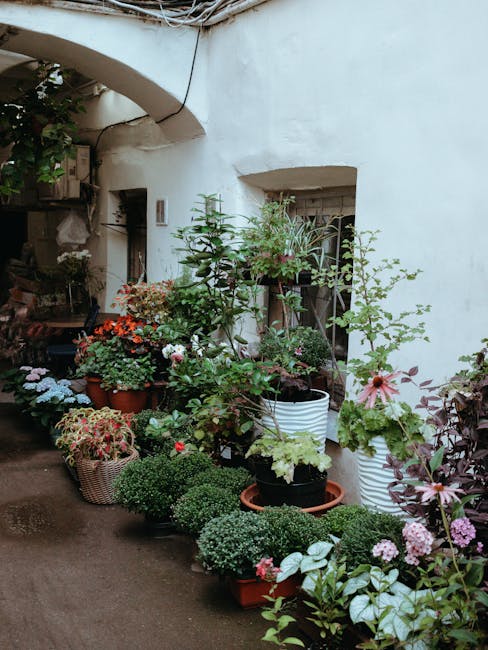
Shadwell Station Garden Maintenance Guide for Small Courtyards
If you live or work near Shadwell Station, you already know the charm of a small courtyard. It can be a quiet pocket of green in a part of London that never really slows down. But it can also become a bit of a headache: moss on the paving, tired pots, thirsty plants, clutter building up after a windy week. This Shadwell Station garden maintenance guide for small courtyards is here to make that space easier to manage, more welcoming, and far less fiddly.
The good news? Small courtyards do not need sprawling beds or a huge weekly overhaul to look smart. With the right maintenance routine, you can keep them tidy, resilient, and pleasant to use through the seasons. In this guide, we'll look at what matters most, what to prioritise, and how to avoid the common mistakes that make compact gardens harder work than they should be.
Think of it as a practical local playbook. Not flashy. Just useful.
Table of Contents
- Why Shadwell Station garden maintenance guide for small courtyards Matters
- How Shadwell Station garden maintenance guide for small courtyards Works
- Key Benefits and Practical Advantages
- Who This Is For and When It Makes Sense
- Step-by-Step Guidance
- Expert Tips for Better Results
- Common Mistakes to Avoid
- Tools, Resources and Recommendations
- Law, Compliance, Standards, or Best Practice
- Options, Methods, or Comparison Table
- Case Study or Real-World Example
- Practical Checklist
- Conclusion
- Frequently Asked Questions
Why Shadwell Station garden maintenance guide for small courtyards Matters
Small courtyards are deceptive. They look simple, but every square metre works hard. A single overgrown plant can throw the whole layout off. A patch of algae on paving suddenly makes the space feel damp and neglected. A missed watering day in a south-facing courtyard, and you'll notice wilted leaves by tea time. The margin for error is slim.
That's why maintenance matters more in compact spaces than it does in bigger gardens. There is less room to hide problems, but there is also less work to keep things under control once the routine is set up. Near Shadwell Station, where outdoor spaces often sit between busy streets, rail activity, and sheltered corners, courtyards can collect dust, leaf litter, and city grit surprisingly quickly. A little regular care stops the place from feeling tired.
There is another reason it matters: value. A neat courtyard makes a flat, maisonette, office, or rental property feel more cared for. It can change how the whole property is experienced. Not in a dramatic way, mind you, but in the subtle way people notice when a space feels calm and looked after.
Expert summary: In a small courtyard, maintenance is less about big transformations and more about consistent, light-touch care. If you keep the basics steady, the space stays attractive without becoming a chore.
How Shadwell Station garden maintenance guide for small courtyards Works
Good courtyard maintenance works on a simple principle: observe, prioritise, and repeat. You do not need to treat everything every week. That would be overkill. Instead, break the work into small jobs that match the space and the season.
In practice, this usually means focusing on five areas:
- Plants: trimming, feeding, watering, replacing tired specimens, and checking for pests.
- Hard surfaces: sweeping, washing, moss control, and stain removal.
- Drainage: clearing blocked gullies, checking where water sits, and making sure pots are not trapping runoff.
- Structure: inspecting trellises, planters, edging, screens, and raised beds for wear.
- Presentation: keeping the space uncluttered so it feels inviting, not cramped.
A small courtyard works best when the maintenance plan respects its size. For example, a courtyard with a few statement planters may need more frequent watering in summer, while a shaded north-facing one may need more moss removal and less feeding. Different story, same principle: match care to conditions.
If you want a broader overview of ongoing care across outdoor spaces, the garden maintenance service page is a useful place to compare what routine upkeep can include. For larger refreshes, you may also find the landscape gardening and landscaping pages helpful when thinking about structural improvements rather than day-to-day care.
Key Benefits and Practical Advantages
Let's face it, most people do not keep a courtyard looking good for the sake of a perfect photo. They do it because a well-kept space is easier to use and far less stressful to live with. A tidy little garden can feel like an extra room in the warmer months. That is no small thing in London.
1. It makes the space feel bigger
Clutter is the enemy of small gardens. When plants are shaped properly, pots are grouped intentionally, and paving is clean, the courtyard feels more open. Even a narrow side return can seem more generous with the right layout.
2. It reduces long-term repair issues
Blocked drains, broken pots, slipping moss, and neglected timber all become more expensive if ignored. Regular maintenance catches those issues early. A five-minute sweep can save a much bigger headache later.
3. It supports healthier planting
Plants in compact spaces often compete with walls, heat, reflected sunlight, or deep shade. Maintenance helps you adjust before things go wrong. Trim one plant, move another, water more carefully, and the difference can be surprisingly quick.
4. It keeps the courtyard usable year-round
Even in winter, a courtyard should not feel abandoned. Evergreen structure, clean surfaces, and a few well-kept pots make the space usable on a grey February morning. You will notice it most when the rest of the city feels damp and a bit weary.
5. It improves first impressions
For landlords, small businesses, or homeowners preparing to sell or let a property, a courtyard can do a lot of heavy lifting. It quietly signals care, which tends to matter more than people think.
Who This Is For and When It Makes Sense
This guide is for anyone with a compact outdoor space near Shadwell Station who wants the area to stay attractive without turning maintenance into a second job. If your courtyard is small, enclosed, and used as a passage, sitting spot, or visual feature, this approach makes sense.
It is especially useful if you are:
- a homeowner trying to keep a private courtyard neat without spending every weekend on it;
- a tenant or landlord looking after a low-maintenance outdoor area;
- a property manager responsible for shared or communal spaces;
- a small business with a front or rear courtyard that shapes the customer experience;
- someone who inherited a courtyard layout that is a bit awkward and wants it easier to live with.
It also makes sense if the current setup is not working. Maybe the plants are too thirsty. Maybe the paving gets slippery. Maybe the space looks lovely for two weeks in spring and then slides into chaos. Been there. Most small courtyards have at least one slightly dramatic corner.
If the area has become overgrown or cluttered, a proper reset may help before routine care begins. In that case, garden clearance can be the right starting point, especially where old pots, dead planting, or debris are making maintenance harder than it should be.
Step-by-Step Guidance
Below is a practical, repeatable approach for maintaining a small courtyard near Shadwell Station. The exact timing will vary, but the sequence stays much the same.
1. Walk the space slowly
Start by looking for what is actually happening, not what you assume is happening. Check where water gathers after rain, which plants look leggy, and whether any paving is stained, loose, or slippery. In compact spaces, tiny issues show up quickly. A cracked pot, for example, may not seem urgent until it starts shedding compost across the paving.
2. Clear the obvious clutter first
Remove dead leaves, broken stems, empty pots, and anything that doesn't belong. This single step often makes the courtyard feel 30% better, if not more. It also makes the next tasks easier because you can see what needs attention.
3. Sweep and wash hard surfaces
Use a stiff broom for day-to-day sweeping and a suitable wash for algae, dust, or plant residue. In shaded courtyards, paving can get slick without much warning, especially after rain. Be careful with pressure washing on older stone or joints, though. Too much force can damage surfaces and scatter the grit into planting areas.
4. Check drainage and water flow
Small courtyards often rely on limited drainage. If water sits for too long, plants can suffer and paving can deteriorate. Make sure drains are clear, pots are raised enough for runoff, and no planter is blocking the flow. Sometimes the fix is as simple as moving a large pot a few inches. Sounds minor, but it matters.
5. Prune for shape and airflow
Cut back dead, damaged, or overcrowded growth. In a tight space, pruning is not just about tidiness; it improves light and air movement. That can help reduce mildew and keep plants compact. For hedges or screening plants, regular shaping makes the whole courtyard feel better organised. If you need ongoing hedge care, the hedge trimming service is worth noting.
6. Water with restraint and intention
Containers dry out faster than borders, especially in sunny spots or where walls reflect heat. Water deeply, not just little-and-often in a way that barely reaches the roots. In cooler or shaded courtyards, the opposite problem appears: overwatering. So check the compost first. Your finger is still one of the best tools, honestly.
7. Feed and mulch where needed
A small amount of compost refreshment or slow-release feed can keep potted plants healthier across the season. Mulch helps beds retain moisture and reduces weeds, though in a courtyard you may use it sparingly if aesthetics matter. Pick something that suits the space rather than just whatever looks easiest.
8. Refresh planting before it looks tired
Courtyards often benefit from seasonal swaps. A few well-chosen plants can keep the space interesting without a full redesign. If you like vertical structure or privacy, the ideas in this planting-focused article may give you some useful inspiration.
9. Finish with a visual reset
Step back. Really step back. A courtyard can look technically tidy but still feel off if the eye has nowhere to rest. Re-group pots, align furniture, and keep pathways clear. A small space needs a little visual discipline. Not perfection. Just order.
Expert Tips for Better Results
These are the kinds of details that make a courtyard easier to live with over time. They are not glamorous, but they save effort. Truth be told, that is the whole game.
- Use fewer, larger pots instead of lots of tiny ones. They hold moisture better and are easier to position.
- Choose plants with reliable structure. In small courtyards, architectural foliage often works better than a crowded mix of short-lived bedding plants.
- Match plant choice to light levels. A sun-baked courtyard needs a different palette from a dim one near a high wall.
- Keep one corner deliberately spare. That little bit of breathing room makes the whole courtyard feel less cramped.
- Look up as well as down. Vertical surfaces, trellises, and wall planters can add depth without using floor space.
- Schedule maintenance before problems show. In a small space, small problems get noticed fast. Staying ahead is easier than catching up.
A small but practical tip: if a courtyard is used in the morning, place fragrant plants or attractive containers where they will be seen first. That subtle detail can make the space feel like a proper part of the home, not an afterthought. Simple, but effective.
If you want a more complete service overview before deciding what kind of help you need, have a look at the services overview and the company's about us page for a clearer sense of approach and working style.
Common Mistakes to Avoid
Small courtyards are forgiving in some ways and ruthless in others. The main mistake is assuming that because the space is small, it will look after itself. It won't. But that's not as bad as it sounds.
Overplanting the space
It is tempting to fill every gap. Resist that urge. Too many plants can make maintenance awkward, reduce airflow, and create a cramped feel. Leave space for growth and for you to actually move around.
Choosing high-maintenance plants by accident
Some plants look great in the nursery and then become a nuisance in a courtyard. Fast growers, thirsty varieties, or plants that drop a lot of debris may add work you did not plan for.
Ignoring the paving
People often obsess over planting and ignore the surfaces underneath. In a small courtyard, that is backwards. The paving is part of the design and part of the maintenance problem. Keep it clean.
Letting containers sit directly on wet ground
That can lead to staining, poor drainage, or rot on some surfaces. Pot feet or simple spacers can help. Nothing fancy. Just sensible.
Skipping seasonal checks
Courtyards shift over the year. Spring growth, summer watering, autumn leaf fall, and winter damp all bring different issues. If you only inspect the space when something looks wrong, you're already behind.
Using the wrong tools for tight spaces
Huge tools can damage plants or be awkward in narrow access areas. A small courtyard often benefits from compact, precise equipment instead.
Tools, Resources and Recommendations
You do not need a shed full of gear to maintain a courtyard well. In fact, too many tools can create clutter, which defeats the point. A compact kit usually works best.
| Tool or resource | What it helps with | Why it suits small courtyards |
|---|---|---|
| Stiff hand brush or broom | Daily or weekly sweeping | Quick to use and easy to store |
| Small pruning shears | Light trimming and deadheading | More precise around containers and corners |
| Watering can or compact hose attachment | Targeted watering | Reduces overspray and waste |
| Pot feet or risers | Improved drainage under containers | Helps keep surfaces cleaner and drier |
| Soft wash solution suitable for outdoor paving | Removing dirt and algae | Gentler on older or decorative surfaces |
| Compost and slow-release feed | Refreshing containers and beds | Keeps plant care manageable |
For property owners or managers comparing ongoing maintenance options, the pricing and quotes page can be helpful when deciding how much support makes sense. If waste handling or green disposal matters to you, the recycling and sustainability page is also relevant, especially for routine cuttings and cleared material.
If the courtyard has timber features, integrated seating, or a decked section, it may also be worth looking at decking services. A small deck can be a brilliant addition, but only if it stays clean and structurally sound. Little details, as ever.
Law, Compliance, Standards, or Best Practice
For most courtyard maintenance, the key point is not legal complexity but safe, sensible practice. If work is being carried out in a shared residential block, a commercial property, or a rental setting, access, noise, waste handling, and insurance all matter. That is especially true in a busy London area where people may be coming and going at odd hours.
Good practice usually includes:
- using appropriate personal protective equipment where needed;
- keeping walkways clear while work is taking place;
- handling tools and chemicals according to manufacturer guidance;
- protecting neighbouring property from splash, debris, or overspray;
- disposing of green waste responsibly;
- checking that any contractor has suitable insurance and safe working procedures.
If you are hiring help, it is reasonable to ask how the work will be carried out, what happens with waste, and whether the provider has a clear health and safety approach. The health and safety policy and insurance and safety pages give a sense of the standards you should expect from any professional service. If you need formal details on data or policy handling, the site also provides a privacy policy and related site policies.
There is no need to be overly cautious or nervous here. It is mostly about common sense and clear communication. If something feels unclear, ask. That is perfectly normal, and frankly it saves everyone time.
Options, Methods, or Comparison Table
Not every courtyard needs the same maintenance approach. Some need weekly touch-ups. Others need a deeper monthly routine with lighter in-between care. Here is a simple comparison to help you choose the right rhythm.
| Maintenance approach | Best for | Pros | Trade-offs |
|---|---|---|---|
| Light weekly upkeep | Small, tidy courtyards with stable planting | Keeps the space consistently neat and prevents build-up | Requires regular attention, even if brief |
| Monthly deep tidy | Low-use spaces or courtyards with slower growth | Simple to schedule and easy to budget for | Can allow dirt or growth to accumulate between visits |
| Seasonal refresh with minor weekly care | Courtyards that change with the seasons | Flexible and good for mixed planting | Needs a stronger plan during busy growth periods |
| Professional routine maintenance | Lettings, shared areas, or owners who want consistency | Reliable, tidy, and less pressure on the occupier | Costs more than doing it yourself |
For many people near Shadwell Station, the sweet spot is a hybrid approach: a little weekly care, plus a proper tidy-up every few weeks or at the change of season. That tends to keep things under control without becoming a burden. If the courtyard has larger shrubs or trees, trimming and removal work may also fall into the mix, and in that case tree lopping and removal can be relevant where appropriate.
Case Study or Real-World Example
A typical small courtyard near Shadwell Station might be a narrow paved space behind a flat or commercial unit. It could have three large pots, one small raised bed, and a bench that nobody uses because the space feels too cramped. The paving gets dusty by midweek, the climber on the fence has gone a bit wild, and rainwater hangs around the lower corner after storms.
The first step is not to redesign the whole thing. It is to simplify. Remove dead growth. Lift the pots slightly. Cut back the climber so it frames rather than swallows the fence. Sweep regularly. Then introduce one or two structure plants that look good all year. Suddenly the bench becomes usable again. The corner stops feeling damp and neglected. The whole space breathes a little more.
That is the real point of maintenance in a small courtyard. You are not trying to fight the space. You are helping it work better. A few thoughtful changes make a bigger difference than most people expect, and not in a showy way either. Just calmer. Cleaner. Easier.
In a similar case, a property manager may ask for general upkeep, waste removal, and some plant reshaping rather than a complete redesign. That is where routine maintenance and selective improvements work together. No drama, which is usually a good sign.
Practical Checklist
Use this checklist to keep your small courtyard on track. You can print it, save it, or simply walk through it in your head on a quiet morning.
- Remove dead leaves, debris, and broken pots.
- Sweep paving and check for slippery patches.
- Inspect drainage points and water movement.
- Water containers based on actual dryness, not habit.
- Prune overcrowded or damaged growth.
- Feed plants if the season calls for it.
- Check for pests, mildew, or disease.
- Reposition pots so the layout feels balanced.
- Make sure furniture and access routes stay clear.
- Review the courtyard after heavy rain or strong wind.
- Refresh any tired planting before the whole space looks worn out.
Quick reminder: in a small courtyard, the best maintenance habit is consistency. A little and often beats a big rescue job every time.
Conclusion
A small courtyard near Shadwell Station can be one of the nicest parts of a property if it is maintained with care and a bit of realism. You do not need a dramatic makeover to make it work. You need the right routine, a clear eye, and a willingness to stay on top of the little things before they turn into bigger ones.
Whether you are maintaining the space yourself or considering professional help, the key is the same: keep the courtyard practical, breathable, and easy to enjoy. That is what good maintenance really does. It gives the space back to you.
Get a free quote today and see how much you can save.
If you want to explore the wider service range or learn more about the people behind the work, you can also browse the blog, the contact us page, or the main homepage for the latest information.
Frequently Asked Questions
How often should a small courtyard near Shadwell Station be maintained?
Most small courtyards benefit from light weekly attention and a more detailed tidy-up every few weeks. If the space has lots of pots, shade, or fast-growing plants, you may need to look at it more often. The main thing is not letting small issues stack up.
What is the easiest way to keep a small courtyard tidy?
Sweep it regularly, clear dead foliage, and keep the layout simple. In compact spaces, visual clutter builds quickly, so fewer objects and well-placed plants usually work better than lots of small decorative items.
Which plants work best in a small courtyard?
Plants that stay reasonably compact, hold their shape, and suit the light conditions tend to work best. Evergreen structure, shade-tolerant planting, and container-friendly species are often a safer choice than anything too vigorous or thirsty.
Do small courtyards need professional garden maintenance?
Not always. Some owners are happy to manage them themselves. But if the space is shared, hard to access, or becoming too much to keep under control, professional help can save time and reduce the risk of neglect.
How do I stop moss and algae forming on courtyard paving?
Keep the area swept, improve drainage where possible, and clean surfaces before build-up becomes heavy. Shaded courtyards are more prone to moss, so regular attention is usually better than waiting for a deep clean.
Can a very small courtyard still feel stylish?
Absolutely. In fact, small courtyards often look better when the design is restrained. Good planting, clean paving, and one or two strong features can feel more stylish than trying to cram in too much.
What should I do before starting a courtyard maintenance routine?
First, assess the light, drainage, and current condition of the space. Then clear clutter, identify any damaged items, and decide what is worth keeping. A bit of sorting at the beginning makes every future visit easier.
Is it worth changing the layout of a small courtyard?
Yes, if the current arrangement makes the space awkward or hard to maintain. Moving a few pots, improving access, or adding vertical planting can make a noticeable difference without a full redesign.
How do I know if my courtyard needs a clearance rather than routine maintenance?
If the space is heavily overgrown, full of waste, or difficult to move around in, a clearance may be the better first step. Routine maintenance works best once the courtyard is already in a manageable state.
Are there any safety considerations for courtyard maintenance?
Yes. Watch for slippery paving, unstable pots, awkward access, and the safe use of tools or cleaning products. If contractors are involved, it is sensible to ask about their insurance and working practices too.
What is the best seasonal approach for a small courtyard?
In spring and summer, focus on watering, pruning, and keeping growth under control. In autumn, deal with leaf fall and drainage. In winter, check for damp, standing water, and damage from cold or wind. The routine shifts a little through the year.
How do I make a courtyard easier to maintain long term?
Choose durable materials, keep planting simple, use containers that suit the space, and avoid layouts that block access. The easier it is to move around and clean, the less maintenance will feel like a burden. That is really the trick.