What to know about urgent gardening and clearance in Shadwell
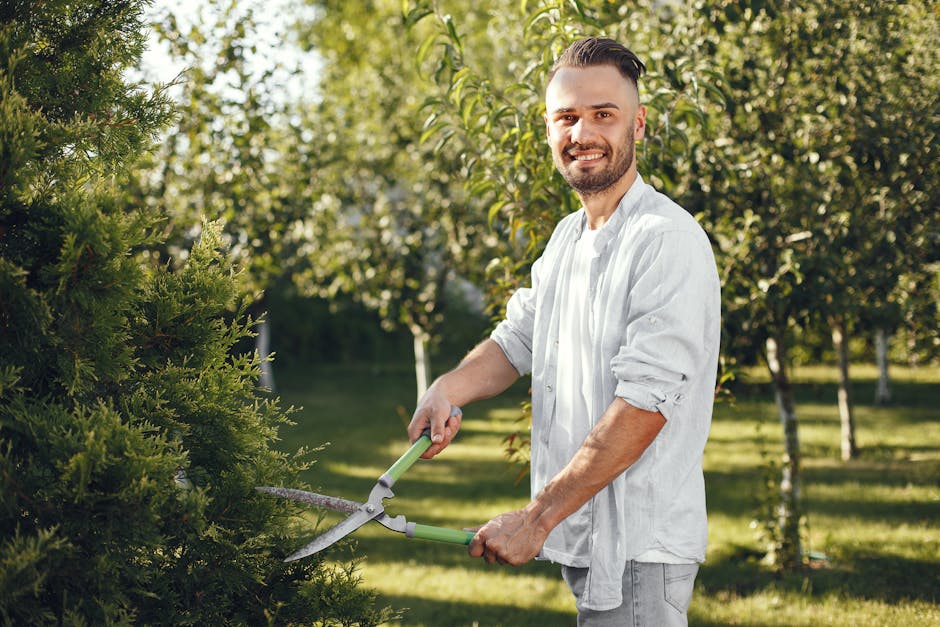
If your garden has suddenly tipped from "needs a tidy" into "needs sorting today", you are not alone. Urgent gardening and clearance in Shadwell often comes up after storms, landlord deadlines, overgrown hedges, messy move-outs, or simply when outdoor space has been left too long. The good news is that a fast, well-planned clearance can turn a stressful situation into something manageable again. In this guide, you will learn what urgent gardening and clearance actually involves, how the process usually works, what to expect, and how to avoid the common headaches that can slow everything down.
There is a bit of an art to doing this quickly without making a mess of it. You need the right priorities, the right tools, and a sensible plan for waste, safety, and finish quality. Let's walk through it properly.
Why urgent gardening and clearance in Shadwell matters
When a garden gets out of hand, it rarely stays a small problem for long. A blocked path, broken planter, fallen branches, or heavy growth can make an outdoor area awkward to use and even risky to walk through. In a busy London setting like Shadwell, where space is often limited and access can be tight, that matters even more. A delayed clearance can affect neighbours, tenants, visitors, and sometimes even the condition of the property itself.
Urgency is not just about speed for speed's sake. It is about stopping a problem from spreading. Wet, compacted weeds can damage beds. Overgrown shrubs can hide pests or damp. A pile of cuttings left too long can become slippery, unpleasant, and a bit of a magnet for more waste. Truth be told, once a garden reaches a certain point, the work is less about "trimming a few bits" and more about restoring control.
There is also the emotional side. People often feel embarrassed when a garden gets neglected. That is common, and to be fair, life gets busy. The value of an urgent clearance is that it gives you a clean reset without endless delay.
If the issue is part of a larger outdoor upgrade, it can make sense to look at related services too. For example, a clearance might be paired with regular garden maintenance to stop the same buildup from returning, or with landscaping if the space needs more than tidying.
How urgent gardening and clearance in Shadwell works
The process usually starts with a quick assessment. A good team will want to know what needs removing, how accessible the site is, whether any heavy pruning is involved, and if there are hazards such as broken glass, unstable fencing, or thorny growth. That first look shapes the rest of the job. No drama, just practical planning.
In most urgent clearances, the work is organised by priority. The immediate focus is on safe access, visible clutter, and anything that may be dangerous or obstructive. Then the team moves to vegetation removal, cut-back work, waste collection, sweeping, and the final tidy. Depending on the garden, this might be a same-day rescue job or a half-day clearance with a follow-up visit if more detailed work is needed.
Shadwell gardens often come with their own quirks: narrow side access, shared rear entrances, limited storage space for waste, or neighbours just a fence away. That means the logistics matter almost as much as the gardening itself. You want careful handling, efficient loading, and a plan for disposal that does not leave bags sitting around for ages.
For overgrown hedges, boundary growth, or shrubs leaning into walkways, hedge trimming is often part of the picture. If there are larger branches or unsafe trees involved, tree lopping and removal may be required, though anything substantial should always be approached with care and proper assessment.
Key benefits and practical advantages
The most obvious benefit is simple: you get your space back. But the real value goes deeper than that. A proper urgent clearance can improve safety, reduce stress, and make the garden usable again in a matter of hours rather than weeks.
- Safer access: Clear paths, steps, and entrances reduce the chance of slips and trips.
- Better appearance: A neglected garden can make the whole property feel tired. A clearance lifts that quickly.
- Less pressure on future work: Once the bulk is removed, regular maintenance becomes much easier.
- Healthier growth: Removing dead material and overcrowded growth can help plants breathe a little better.
- More usable space: Even a small Shadwell garden can feel bigger after clutter and overgrowth are taken away.
One thing people notice after a proper clearance is the light. Suddenly there is daylight reaching corners that have been hidden for months. You hear birds again. The air smells less stale. It sounds small, but those things change how the space feels.
There is also a planning benefit. If you are preparing for tenants, a sale, a refurbishment, or a seasonal reset, urgent clearance gives you a clean starting point. That can save time on follow-on jobs like mowing, replanting, decking repairs, or a broader refresh through lawn mowing and decking services if the outdoor area includes hard landscaping.
Who this is for and when it makes sense
Urgent gardening and clearance is not just for people with wild, jungle-like back gardens. It is for anyone facing a time-sensitive outdoor problem. That might be a landlord preparing a property handover, a homeowner dealing with post-storm damage, a family trying to make a garden safe for children again, or a business premises needing its frontage cleared before inspection or reopening.
It also makes sense if you are dealing with a one-off event. Maybe you have inherited a property. Maybe a rental has been left in a poor state. Maybe the council collection situation has not kept up with the amount of green waste. Or maybe you are just staring at the garden thinking, "Where do I even start?" That is actually a very common moment.
In our experience, people tend to reach for urgent help when one of three things has happened:
- The garden has become a safety issue.
- There is a deadline, inspection, or handover.
- The job has become too physically demanding to handle alone.
If the garden is only mildly untidy, a scheduled visit may be enough. But if access is blocked, waste is piling up, or plants are encroaching fast, urgent clearance is usually the calmer, smarter choice.
Step-by-step guidance
If you are trying to organise urgent gardening and clearance in Shadwell, a clear process helps. Things move faster when everyone knows what matters first.
1. Identify the priority problems
Start with the obvious risks and obstructions. Is the path blocked? Are branches hanging low? Is waste piled near a doorway or fence? The best urgent jobs begin with the biggest practical issues, not with the prettiest ones.
2. Sort what should be removed, reduced, or kept
Not every plant or item needs to go. Some things need cutting back, others need lifting out, and some can be left if they are still healthy and useful. A quick walkthrough before work starts prevents accidental over-clearing. You do not want to discover, after the fact, that the "mess" was actually next season's border structure.
3. Check access and disposal options
Can waste bags be moved easily? Is there side access? Will tools and barrows fit? In tighter streets and shared spaces, access can affect the speed and cost of the job. Waste handling is a big part of the work, so it should be considered early rather than as an afterthought.
4. Carry out the heavy clearance first
This is the stage where bulk material comes out. Think thick weeds, brambles, dead material, overgrown areas, and obstructive growth. Once the heavy stuff is gone, the rest of the space becomes easier to judge.
5. Refine, edge, and tidy
After the main clearance, the job usually shifts to detail work. Borders are neatened. Loose debris is removed. Remaining growth is shaped. Paths are brushed down. This is the part that makes the difference between "cleared" and "properly finished."
6. Plan the follow-up
The final step is not the last pile of waste. It is deciding how to stop the same problem returning. That might mean weekly mowing, monthly maintenance, seasonal hedge cuts, or a small redesign of the space. If you want to see how ongoing upkeep fits into the bigger picture, the services overview is a useful place to understand the wider range of options.
Expert tips for better results
A fast job does not have to be a rough job. A few smart decisions make the outcome cleaner and more durable. Here are the things that tend to make the biggest difference.
- Work from the outside in. Clear access points first, then move deeper into the garden. It keeps the job manageable.
- Separate waste as you go. Green cuttings, woody material, and mixed rubbish can all require different handling.
- Keep one eye on what is worth saving. A good clearance is decisive, not destructive.
- Use a finish sweep. Small scraps, twigs, and soil clumps are what make a job feel unfinished.
- Think about light and water. If one side of the garden is always damp or shaded, that may be part of why the growth became dense in the first place.
One little trick many people overlook: take a photo before the work begins. Not for drama, just for reference. It helps you see progress clearly and can be useful if you are coordinating the work with others. Also, it is oddly satisfying later on. You will thank yourself.
If sustainability matters to you, ask about waste handling and recycling practices. A responsible approach to disposal is better for the environment and usually tidier overall. You can also review the company's recycling and sustainability approach if that is a priority.
Common mistakes to avoid
Urgent jobs can go sideways when people rush the wrong part. Speed is useful, but not if it creates extra work later. Here are the mistakes we see most often.
- Clearing without a plan: Starting at random tends to waste time and energy.
- Cutting everything back too hard: Over-pruning can leave the garden exposed and patchy.
- Ignoring hidden waste: Old bags, broken pots, and soggy material can hide under growth.
- Forgetting safety: Gloves, eye protection, and careful handling matter, especially with sharp or thorny plants.
- Assuming all waste is the same: Garden waste and general rubbish should be dealt with properly, not just bundled together and forgotten.
Another common one is underestimating how long the final tidy takes. The bulk removal is often the easy part. The "make it look right" part is where the quality comes through. That extra half-hour? Often worth it.
Tools, resources and recommendations
For urgent gardening and clearance, the right tools are less about fancy kit and more about getting clean, safe results. A sensible setup usually includes cutting tools, strong gloves, waste bags or loading capacity, protective gear, and a way to move heavier material efficiently. If the access is awkward, smaller tools and repeated clearing passes may work better than trying to drag everything out at once.
Recommended practical tools and considerations include:
- Secateurs and loppers for manageable branches and stems.
- Hedge trimmers for shaping and reducing dense growth.
- Rakes and brooms for the final surface clean.
- Heavy-duty gloves to reduce cuts and scratches.
- Sturdy bags or tubs for separated green waste.
- Tarps or sheets if material needs moving through a narrow route.
As a resource, it is also sensible to review any service information before the visit. Pages such as pricing and quotes, health and safety policy, and insurance and safety can help you understand expectations around the work. That is not just formality. It gives peace of mind.
If you are comparing service types, remember that clearance is not the same as long-term care. A one-off clearance gets the site back under control. Ongoing maintenance keeps it there. Different job, different outcome. Simple as that.
Law, compliance, standards, or best practice
When urgent gardening includes waste removal, larger cuttings, or work near shared spaces, careful handling matters. In the UK, it is good practice to manage waste responsibly, avoid fly-tipping risks, and keep pathways clear during work. That sounds obvious, but in a hurry, obvious things are what people forget.
For work involving trees, tall hedges, boundary growth, or anything near structures, safety and competence matter more than enthusiasm. Not every branch should be tackled the same way, and not every tree issue should be treated as a simple trim. If a tree looks unstable, split, or heavily overextended, it is wiser to have it assessed properly before work begins.
Best practice also means being realistic about access, neighbours, and noise. Early communication can prevent awkward surprises, especially in dense residential streets where bins, cars, and shared entrances all compete for space. And yes, the neighbour who always seems to appear right when the saw starts? Best to plan around them if you can.
Professional standards in this kind of work usually include:
- clear communication before the visit
- careful risk awareness around tools and debris
- proper waste segregation where appropriate
- respect for property boundaries
- a tidy finish, not just a quick clear-out
If you want to understand the wider business approach, the about us page can offer more background on how the service is organised and what values guide the work.
Options, methods, or comparison table
There are a few different ways urgent garden clearance can be approached. The right one depends on the size of the job, the level of mess, and how quickly you need the result. Here is a simple comparison.
| Method | Best for | Strengths | Limitations |
|---|---|---|---|
| Light tidy and cut-back | Minor overgrowth, short deadlines, low clutter | Fast, cost-conscious, useful for maintenance resets | Not enough for heavy waste or blocked access |
| Full garden clearance | Severely overgrown spaces, move-outs, neglected plots | Restores usability, removes bulk waste, gives a clean slate | Can take longer and may need disposal planning |
| Clearance plus maintenance | Gardens likely to regrow quickly or needing ongoing care | Better long-term control, less repeat mess | Higher ongoing commitment |
| Clearance plus landscaping | Gardens needing layout changes or a complete refresh | Improves structure and usability | More planning and typically a bigger project |
If you are unsure which approach fits, think about the end result you actually need. Do you just need access and safety restored, or do you want the space to feel genuinely finished? That one question usually clarifies the next step pretty quickly.
Case study or real-world example
A fairly typical Shadwell scenario goes like this. A flat has a small rear garden that was manageable for years, then life got in the way. Rain, a few fast-growing shrubs, and a pile of old plant pots later, the space is half hidden and the path to the back gate is awkward. Nothing dramatic. Just enough to be a nuisance every day.
The first visit focuses on access and safety. Loose clutter is removed, overgrowth is cut back, and the worst of the waste is taken away. By the middle of the job, the light comes back into the garden and the path is properly visible again. That is usually the moment people say, "Oh, it's smaller than I remembered." Happens all the time.
After the clearance, a simple follow-up plan is set: regular mowing, hedge trimming, and a lighter maintenance cycle before the growth can get ahead again. The result is not a magazine garden. It is something better for most people: usable, calm, and easy to keep under control.
If the garden had included awkward structural features or slippery timber areas, a broader review might also have included lawn mowing for open areas or a look at decking services where hard landscaping needed attention as well.
Practical checklist
Use this quick checklist before arranging urgent gardening and clearance in Shadwell. It keeps things focused and makes the job easier from the start.
- Identify the main problem areas: access, overgrowth, waste, or safety hazards
- Decide what must be cleared immediately and what can stay
- Check whether any branches, hedges, or trees need specialist attention
- Make sure there is a route for waste removal
- Remove personal items, tools, and fragile objects from the work area
- Ask about recycling and disposal handling
- Confirm whether follow-up maintenance will be needed
- Review service terms, safety information, and payment expectations
- Think about weather, especially after heavy rain or windy spells
- Plan the next maintenance step so the space does not slide back
Practical summary: urgent clearance works best when the goal is clear, the access is checked, and the follow-up plan is not forgotten. Get the garden safe first, then make it sustainable. That order matters more than people think.
For most readers, the smartest next step is usually to compare what needs doing now with what can be handled later. A rush job should still be a sensible job.
Conclusion
What to know about urgent gardening and clearance in Shadwell comes down to three things: act quickly, work safely, and think one step ahead. A fast clearance is not just about removing mess. It is about restoring access, reducing risk, and giving yourself a proper reset point. In a place where outdoor space is often compact and every square metre counts, that can make a real difference.
Whether you are dealing with a neglected garden, a post-storm clean-up, a tenant handover, or a patch of growth that has quietly taken over, the right approach is practical rather than dramatic. Clear the immediate problem, tidy the space well, and set up a realistic maintenance plan afterward. That is what keeps the result feeling good next week, not just today.
If you want to explore options for your next step, it helps to look through the available service information, compare what you need, and choose the level of help that fits the job rather than forcing a one-size-fits-all answer. A little clarity now can save a lot of bother later.
Get a free quote today and see how much you can save.
Frequently Asked Questions
What counts as urgent gardening and clearance in Shadwell?
It usually means gardening work that needs attention quickly because the garden is unsafe, inaccessible, heavily overgrown, or tied to a deadline such as a move-out or property handover.
How fast can an urgent clearance usually happen?
That depends on the size of the garden, access, and how much waste is involved. Some jobs can be handled very quickly, while larger clearances may need more than one visit.
Is urgent garden clearance different from regular maintenance?
Yes. Clearance is about removing a buildup of growth and clutter. Maintenance is about keeping the space under control once it has been restored. They work well together, but they are not the same job.
What should I prepare before the team arrives?
Remove personal items, unlock access routes, point out hazards, and decide which areas must be prioritised. A little prep makes the whole process smoother.
Can overgrown hedges and small trees be handled as part of the job?
Often, yes. Hedge trimming is commonly part of a clearance, while larger or more complex tree work may need separate attention through tree lopping and removal.
What happens to the garden waste?
Waste is usually collected and removed as part of the job. If sustainability matters to you, ask how waste is separated, handled, or recycled where appropriate.
Will a clearance damage healthy plants?
It should not. A careful clearance removes what needs to go while protecting useful growth. Good judgement matters here, because over-clearing can leave the garden looking harsh.
How do I know whether I need clearance or landscaping?
If the garden mainly needs a reset, clearance is the place to start. If the layout is poor, drainage is awkward, or you want a bigger transformation, landscaping may be the better fit.
Is urgent gardening suitable for rental properties?
Yes, very often. It is a common request for end-of-tenancy work, landlord checks, and preparing a property for new occupants.
What if the access to my garden is narrow or awkward?
That is common in parts of London, including Shadwell. It does not rule the job out, but it may affect timing, equipment choice, and how waste is moved.
Do I need to worry about safety and insurance?
It is wise to. Gardening clearance can involve sharp tools, uneven ground, and heavy material. Reviewing safety and insurance information gives you extra confidence before work starts.
How can I stop the same problem happening again?
Combine the clearance with a maintenance plan. Regular mowing, hedge trimming, and seasonal upkeep are usually the simplest way to keep the garden from slipping back into chaos.
What is the best first step if I am overwhelmed?
Start by identifying the most urgent issue: safety, access, or waste. Once that is clear, the rest becomes easier to organise. Honestly, that first decision is often the hardest part.
Where can I find more information about the service options?
The services overview, pricing and quotes, and about us pages are useful places to understand the available support, how the work is approached, and what to expect before booking.